Tuesday, 7 June 2016

Time-Saving Tips For Mums

If you’re a new mum, you’re probably feeling like the days are flying by in a haze of changing nappies and sleepless nights. When you’ve got a newborn, it can be impossible to get things done. Even the simplest time-saving tips can make a massive difference, especially if you have older children too. Here are some handy hints to make life easier during those first few weeks at home.

Online shopping
Online shopping has taken the world by storm. It offers a quick, easy way of stocking up when it’s hard to get out of the house. All you have to do is log on, choose the store you prefer and select a delivery slot. Work through your shopping list, adding items to your trolley, confirm your order and make your payment. Hey presto, your shopping will arrive shortly after. Doing an online grocery shop will save you time and energy. There’s no need to worry about getting everybody ready to get out of the house. And you don’t have to negotiate busy shops with screaming babies or toddlers complaining that they’re bored. You can order almost anything online now, and many sites offer next day delivery. Whether you need clothes, baby supplies or birthday gifts for friends, the Internet can be your new best friend.



Iron-on labels
Are you trying to juggle looking after a newborn with getting a toddler ready for nursery or prepping older kids for the start of school? If so, iron on labels are a fantastic idea. Gone are the days of sitting down with a mound of clothes and a needle and thread. This option is easier, faster and more convenient.

Scheduling
If you’ve got a baby and older children, life can get hectic. This is where scheduling comes in handy. Keep a calendar in the kitchen and a diary on your phone. Input any appointments and set reminders. Check your diary at the start of each week so you know what you’ve got coming up. If you’re organised, this can help to prevent last-minute panics and rushing around.

Cleaning and garden maintenance
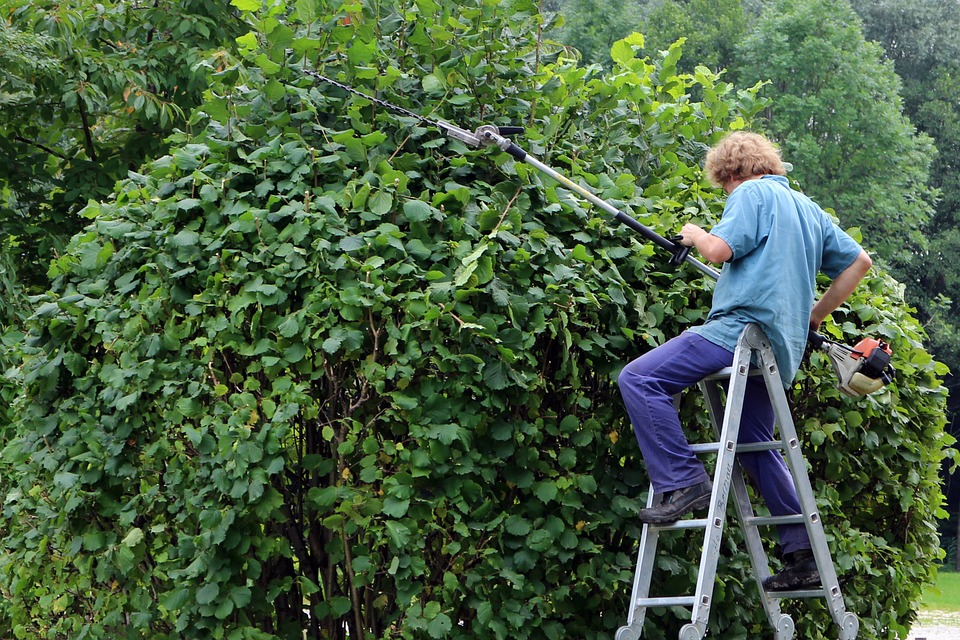
If you’re busy and you don’t have time to clean the house religiously or sort the garden, why not look for a gardener and hire a cleaner? Just a couple of hours a week will make all the difference.


Planning menus
Before you do your weekly shop, plan a menu. This will make shopping easier, and save you time when it comes to mealtimes during the week. Look for simple 15-minute recipes online to create healthy meals with minimal hassle.

Share the load
If you have friends or siblings with children, try and share the load. Could you take it in turns to do the school run or collect the kids after football practice? Coordinate your plans and you could save yourself a lot of time.


When you’re a busy parent, every little helps. Take these handy hints on board to save time and make life a little bit less hectic.

Thursday, 2 June 2016

8 Ways To Teach Your Toddler Interpersonal Skills


People with strong interpersonal skills are likely to be more successful in their lives. They are likely to have more successful careers and strong relationships. It is important to develop these skills at an early age, so they become second nature. We start to develop these skills with our children as soon as they are born. We hold them, make eye contact, and talk to them. All of this creates a bond. There are lots of fun ways to develop your child’s interpersonal skills further.

1. Encourage your toddler to play with their siblings, even if there is an age gap. This will get them used to interacting, playing, and sharing with other kids.

2. Expose your child to your wider family. Ensure they have lots of people to interact with, such as grandparents, aunties, and uncles. It is important they can communicate with people of all ages and not just other children.

3. Take your toddler to a toddler class like Little Squigglers. Here they can play, make a mess, explore, and create. This provides them with a fun and safe environment. They will have the opportunity to meet other children and will learn how to play alongside them. Sharing toys and resources will sharpen their social skills.

They will also be able to explore their senses with a range of materials. They will learn stories and rhymes. It is great preparation for nursery.


4. Visiting new places and being immersed in different cultures is extremely beneficial for children. Going on holiday will expose them to different lifestyles. This will provide them with an understanding and curiosity about diversity.

5. A tricky skill for anyone to learn is assertiveness. For a child there is a fine line between being too passive, being assertive, and being aggressive. This can be hard to navigate, but there are a few ways you can help your child. Support their ideas as much as possible. Within the realms of safety and relevancy, allow them to explore and experiment. If they make a mistake, avoid being too critical. Instead, talk them through what happened and how they can overcome this. Praise them often for their efforts as well as achievements.

In some situations, a young child may not understand what assertiveness is and how to apply this. You may, therefore, need to model this for them.

6. Encourage your child to be empathic. This involves observing the behaviour and feelings of others. For example, asking them why their friend is crying. Then asking them how they think he or she is feeling. This could be extended by asking them how they would feel if that happened to them.

7. When our children are still babies, they learn to communicate their needs by crying. As they become older, this becomes less appropriate. If your child becomes upset because they want to do something, ask them to communicate this to you. Ask them why they are crying. Then explain that rather than crying they can ask you instead.


8. Don’t accept bad behaviour. If your child is aggressive, intervene immediately. Talk to them about their behaviour and help them to find appropriate ways to express their thoughts, feelings, and needs.

There are lots of ways to help your child to learn interpersonal skills. Be positive and supportive and make it as fun as possible.

Sunday, 29 May 2016

The Golden Rules of Negotiating Child Custody

Separating from your partner is never an easy thing to do. However, just because you are no longer partners, it doesn't mean you're not parents. You still need to work together as much as possible to parent your child or children. Working out custody arrangements is a major part of separating for any couple with kids. If you're no longer living together, you need to work out where the child's primary home will be. You have to have a plan for when they will see and live with each parent. Not only that, but you also need to come up with a way for you to be able to parent together, even if you don't like each other. Try these tips to negotiate the best arrangement for your children.


Try to Work Together

When you're separating or getting divorced, you probably aren't getting on as a couple. Your feelings can range from sadness to resentment and anger. You might feel that you don't want to be even in the same room as your ex. However, when you're arranging custody for your children, it's not about you. Your aim is to come up with the best solution for your kids, to keep them as happy and healthy as possible. You're almost sure to have different ideas of what is best for your kids. But the purpose of negotiating custody is to find the compromises that work for both of you. Try your best to work together and discuss everything civilly, even while asking for certain things.

Consider Different Custody Arrangements

Before you start hashing it out, you should both have an idea of what sort of arrangements are possible. It's a good idea to look at some typical examples of agreements that many parents use. The choice doesn't have to be between a few obvious options. There's more than a 50/50 split, a weekday and weekend parent, or a term-time and holiday parent. Of course, those are all options you might consider. You need to consider both legal custody and physical custody. What will work best for your child and keep everyone happy? It's also important to consider how decision-making on parenting issues will work.

Agree on Your Child's Needs

Both of you should have the needs of each child in mind when you discuss custody. If you can agree on what is important for them, it could be a bit easier to make decisions. For example, you might decide that it is best to continue breastfeeding your baby. If you make this choice, you might come to the conclusion that there should be no nights away from mum until the child is older. There are several things you should think about. They range from your child's routine and stability to contact and time with each parent.

Look at Your Current Status

Separation can upset any child's world, and they can feel like everything has changed. The stability of their home life is often an important factor in making arrangements. Their parents are already going to be in separate homes, so making more changes can be hard to handle. If you were to take your case to court, the judge would consider this. Before that's necessary, you should take it into account too. One of the things to consider is who the primary carer is. Sometimes it's a little difficult to say who does the majority of the parenting. However, perhaps one of you is a stay-at-home parent or handles a larger amount of childcare. This is a factor in deciding the primary residence for a child.


Working Out Logistics

The practicalities of sharing custody are sometimes complicated. You might live far apart or struggle to find the time to pick up and drop off your children. It's important to discuss how everything will work. If your child is going to their other parent for the weekend, will they pick them up from school? Will you perform a "handover", and if so will it be at home or a neutral location? If one of you lives far away, how will your child get there for their visits?

When to Take Your Child's Opinion into Account

Many parents wonder whether to ask their child's opinion on custody. A court might consider the thoughts of an older child. But they ultimately decide what is best for them, which might not be what they want. You should try to do the same as much as possible. It's best to avoid putting the decision on your child, especially if they're young. You could ask an older child if you want them to have some input. However, your decision still needs to be based on what's best for them, which they may not be capable of working out.


Use a Mediator

It's not always easy to negotiate between you. There can be lots of negative feelings involved in your separation. If you're struggling to stay amicable and work things out alone, you might benefit from a mediator. A mediator can help you work out a custody agreement without having to go to court. They can ensure you focus on your children and put personal problems aside to work out what's best for them.

Get a Lawyer Involved

Sometimes, you might be unable to come to an agreement, even with a mediator. In this case, a judge might need to decide on a custody arrangement for you. If you need to argue your side in court, a family lawyer will be your legal counsel. You can speak to someone like Bannister Preston Solicitors to represent you. You should ensure that you have representation in court, so you have a fair chance of getting what you want. Your solicitor can help you to prepare your case and build an argument to support your wishes. While representing yourself is a possibility, it isn't recommended.

Arranging child custody can be a complicated and drawn-out process. The most important thing to do is keep the best interests of your children in mind at all times.

Wednesday, 27 April 2016

Easy Tips for the Perfect Outdoor Party

I love going to parties, and I also enjoy throwing them myself. Having a party outdoors is the most fun, especially when it's a perfect day. It can be difficult to have a party outside, though. There are lots of things to think about when everyone is going to be out in the open elements, even if you're in your sheltered backyard. After picking a suitable location (usually your home) you have to organize a few different things. Everyone will want to have fun, and they'll all be hungry and thirsty too. Plus, there's always a chance that it could rain. Follow my tips to plan an outdoor party that goes smoothly.

7183004264_b281f38608_z.jpg

Get Some Entertainment
You need to think about what's going to make your guests happy during your party. You might keep it simple and say that food, drink and chat are enough to keep everyone entertained. If you want to go a bit further, maybe you'll set up some speakers and have some music too. It's even better if you have a pool so everyone can take a swim too. However, you might want to do something extra. You could take a look at some online fireworks stores and put on a fireworks show in the evening. You could even hire some entertainment or perhaps play some games.

Make a Plan for Food and Drinks
Everyone has to eat and drink, but what arrangements are you going to make? If you don't feel like preparing anything yourself, you have some options. You can buy prepared food or even get the party catered. Another option is to ask all your guests to bring a dish. Give everyone something particular to bring, such as a salad or dessert, to make sure you don't end up with 20 plates of cookies. If you decide to make something yourself, you can't go wrong with a BBQ. You can make vegetarian dishes as well as grilling meat. If it's hot, you might prefer to keep things light with salads and small snacks.


Create Resting Areas
Your guests are probably going to want to sit down at some point. There's only so much standing everyone can do, especially if they're trying to eat and drink. If you don't have enough outdoor furniture, don't worry. Bring out some pieces from inside if there's anything you can move. If not, the easiest thing to do is to lay out some picnic blankets. Everyone can sit on the ground but still be comfortable. Include some cushions and throws to make a cozier seating space.

(Image By Adrega)

Have a Backup Plan
You often have to think about the chance of rain. Even in the middle of summer, there could be a sudden storm. Most of the time, you don't have to have a complicated backup plan. If you can fit everyone in your backyard, you can hopefully get them all in your house too. Just decide what you're going to do about everything else too. For example, if you were planning on barbecuing, how are you going to cook the food if it rains?

An outdoor party will be fun for all your guests, and it doesn't take much planning. You could have it organized within a day, as long as your guests are all free.

Thursday, 7 April 2016

Here's Why You Should Move House...


After living in a property for a while, you often get the urge to move. It can be solved by decorating certain rooms to make it feel fresh and new again. Or you could even look at extending the home so you can take advantage of more space. However, lots of things wrong with the property can mean it’s time to look for a new house.

Companies such as Redbrick Property Services have different homes available that might be in your budget.
File:Flower garden in Ushuaia (5543010755).jpg

You have no garden
Not having a garden can be great if you want a low-maintenance house or flat. But it’s not so good if you want to get some fresh air, and have more space for entertaining guests. They are excellent therapy for people who are suffering from depression, as gardening as a hobby can be a really way to beat stress. You can get involved planting vegetables and flowers. A garden is also good for doing some forms of exercise. Having pets also means having a garden is vital unless you want accidents in your home!


You are expecting
If you are expecting a baby, you will need more space in your property for the new child. Children need a bedroom so if you currently live in a one bedroom home; this is not going to be ideal for when the baby arrives! Also, as they grow, they will be starting to learn to walk and play with toys. If there is limited space, there will not be enough room for all their new toys. If this is the case, you should look at moving before the baby arrives! Sites like Bounty can help you when preparing to move.


Schools are not good
If it’s time to start planning where your child is going to go to school, you should look around the area to see if there are any good ones around. If you can’t find one which will be appropriate for your child, it might be time to move. Most schools will have criteria on where your child has to live to be accepted in the school. You might have to move to be in the catchment area. Also, when your child is ready for high school, you may need to move to be near the best one for their education.


You don’t like the area
If you do not like the area, then it might be time to move property. The area you live in can make a big difference to your life, and can cause you to get really down. Whether it’s the neighbours or the crime that you can’t handle, it might be worth looking at a new property. You should ask the current homeowner what the area is like, or even look online to find out more info.

It’s always good to find a new property, and moving can be an enjoyable experience. Some people recommend you move five times in your life to be truly happy!


Wednesday, 20 January 2016

What to Do to Make Your Home More Fun for Your Children

You don’t need to limit your kid’s impact on your household to their bedrooms. Many mums and dads decide to include things in their overall decor to make the home more fun for them. Having lots of colour and texture is a really good way to make your home more fun for your children. Here are some more ideas to help you:

Include Furniture Just for Them
In the living room and around the house, you could consider including furniture just for them. You have your regular adult sized furniture, and then you can have child sized furniture to go with it. You can even buy outdoor bean bags for relaxing in the garden when the weather is nice.

Add Plenty of Different Colours
Use lots of different colours in your decor. If your child has a favourite colour, then you could buy cushions and other accessories to reflect this. You can have a fairly neutral wall and floor combo, which you can then switch up by adding coloured accessories. It’ll never cost you much to replace them, and it’s cheaper than doing the walls and other elements over every time.

20170840366_924e34e4ec_z.jpg
(picture source)

Make Sure You Include a Ton of Texture
Including a ton of texture is good for young children, as it’s a sensory experience for them. That aside, it’ll make your home look more 3 dimensional and add more interest. All the top interior designers use this tip.

Get Down to Their Level
Get down to your children’s level and see if there are any changes you can make from there. See what they see and you might make a few small changes that will make the home not only more fun for them, but safer for them too.

DIY Certain Items
Why not DIY certain items? You can create canvases and even distress furniture yourself, so why not set little projects for yourself and get the kids involved?

Have a Fairy Garden in the Garden
One thing I love about making the home more fun for children, is what you can do with the garden. You can create your very own fairy garden, using ornaments and little doors attached to tree trunks. You can make it as magical and hidden away as you like to keep the kids guessing.

Make a Reading Nook
Having a reading nook in the home will not only look great, it’s great for your children’s education. All you really need is a cosy chair, a bookshelf, and a quiet corner of the house. Having somewhere they can really relax to read is a great idea and you should find them excelling in school subjects like literature!

See? You don’t have to limit your creativity to your children’s bedrooms or playrooms. You can make the whole house fun for them, including the garden if you just plan a little first. Do you have any ideas that you think would be great for kids in the home? Make sure you leave some of them below! See you back here soon.